
Ceilidh Dancing in Scotland: Everything You Need to Know
Whether you’re planning a trip to Scotland, attending a Scottish wedding or simply curious about one of the country’s most cherished traditions, ceilidh dancing is an experience that brings people together like nothing else.
A ceilidh (pronounced “kay-lee”) is live music, storytelling, laughter and a celebration of community that has been at the heart of Scottish life for centuries. The best part? You don’t need any dance experience to join in.
Here’s everything you need to know about Scottish ceilidh dancing, from its fascinating origins to the famous dances you’ll encounter and where to experience an authentic ceilidh during your visit to Scotland.
What is ceilidh dancing?
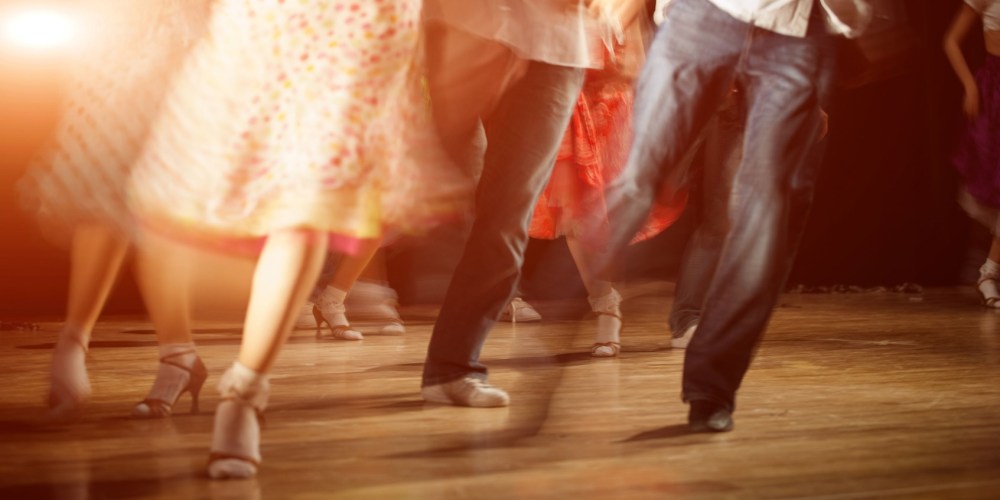
Ceilidh dancing is a form of traditional Scottish social dancing performed to live folk music and everyone is invited to take part. The word ceilidh comes from the Scottish Gaelic word cèilidh, meaning gathering or visit. Long before village halls and dance venues, neighbours would gather in homes to share music, stories, poetry and dancing. Those evenings became known as ceilidhs, and today the tradition remains one of Scotland’s most loved cultural experiences. A modern ceilidh usually includes:
- Live Scottish folk music
- A dance caller who explains every dance
- Group dances with changing partners
- Plenty of laughter
- A welcoming atmosphere for all ages
Unlike formal ballroom dancing, a ceilidh isn’t about perfect footwork, but about joining in, meeting people and enjoying the music.
How do you pronounce “ceilidh”?
One of the most common questions visitors ask is:
How do you pronounce ceilidh?
It’s pronounced:
Kay-lee
The unusual spelling comes from its Gaelic origins, which often surprise first-time visitors to Scotland.
The history of ceilidh dancing
Ceilidhs have been part of Scottish life for hundreds of years. Originally, a ceilidh wasn’t a dance event at all. In Highland communities, especially before modern entertainment, people gathered in each other’s homes during long evenings to exchange stories, sing songs, play fiddle tunes and recite poetry. These gatherings strengthened communities and helped preserve Scotland’s oral traditions. As music became central to these evenings, dancing naturally followed.
During the 18th and 19th centuries, many of today’s best-known dances developed alongside Scotland’s rich tradition of fiddle music. Village halls, churches and community centres hosted regular ceilidhs, bringing together entire communities. Today, ceilidhs remain an important part of Scottish culture and can be found everywhere from village festivals and Highland gatherings to castles, universities, weddings and New Year’s celebrations.
Why is ceilidh dancing so popular?
Few traditions capture Scotland’s spirit quite like a ceilidh. People love ceilidhs because they’re:
- Inclusive
- Social
- Easy to join
- Great fun regardless of age
- A celebration of Scottish music and culture
Visitors often arrive worried they’ll get the steps wrong. Within minutes they’re laughing alongside complete strangers, discovering that everyone is learning together. It’s one of the rare experiences where locals and visitors instantly become part of the same celebration.
Do you need experience?
Not at all. In fact, many people attending their first ceilidh have never danced before. Every ceilidh has a caller whose job is to explain each dance before the music starts. They’ll demonstrate the movements, guide everyone through the first few turns and keep encouraging the room as the dance progresses. You’ll spend far more time smiling than worrying about your footwork.
What happens at a ceilidh?
Although every event is slightly different, most follow a similar format. Guests gather while the band tunes up before the caller welcomes everyone and introduces the first dance. The dances become livelier throughout the evening, with plenty of opportunities to catch your breath between sets. You’ll regularly change partners, dance in circles or long lines, and move around the room with different groups of people.
Expect plenty of:
- Live fiddle music
- Accordions
- Drums
- Singing
- Clapping
- Laughter
- Friendly encouragement
Nobody stays sitting for long.
Famous ceilidh dances
Most ceilidhs include a mixture of classic dances. Here are some of the best-known.
The Gay Gordons
Perhaps Scotland’s most famous ceilidh dance. Performed in pairs, the Gay Gordons features graceful marching steps and simple turns, making it one of the easiest dances for beginners.
Strip the Willow
Fast, energetic and unforgettable. Dancers form long lines before spinning rapidly through the set, creating one of the most exciting moments of the evening.
Dashing White Sergeant
One of Scotland’s oldest traditional dances. Groups of three move around the room in repeating patterns accompanied by lively reels.
Canadian Barn Dance
A favourite at weddings and festivals. Simple walking steps and gentle turns make it perfect for first-time dancers.
Circassian Circle
Often chosen as an opening dance because everyone can quickly join in. Large circles of dancers move together before swapping partners throughout the dance.
Virginia Reel
A traditional Scottish country dance featuring long lines, arches and flowing movements that bring the whole room together.
What music is played at a ceilidh?
Live music is at the heart of every ceilidh. Traditional Scottish instruments include:
- Fiddle
- Accordion
- Piano
- Guitar
- Drums
- Bagpipes (occasionally)
The music itself includes reels, jigs and strathspeys, each creating a different rhythm and pace. Many modern ceilidh bands blend traditional tunes with contemporary arrangements, creating an atmosphere that appeals to every generation.
What should you wear?
One of the best things about a ceilidh is that there’s no strict dress code.
For community ceilidhs:
- Comfortable clothes
- Flat shoes
- Clothing that allows you to move easily
For weddings and formal events:
Many Scots wear kilts, while others choose dresses or smart evening wear. Comfortable shoes are always recommended, you’ll be on your feet for much of the evening.
Can children and older adults join?
Absolutely. Ceilidhs are designed for everyone. Children often love the music and simple dances, while older generations have been enjoying ceilidhs throughout their lives. You simply dance as much or as little as you wish.
Are ceilidhs only for weddings?
Not at all. Although Scottish weddings are famous for their ceilidh dancing, you’ll also find ceilidhs during:
- Burns Night celebrations
- Hogmanay (Scottish New Year)
- Highland Games
- Local festivals
- University events
- Community gatherings
- Cultural festivals
- Charity fundraisers
They’re woven into Scottish life throughout the year.
Burns Night and Hogmanay
If you visit Scotland in January or at New Year, you’re likely to encounter some of the country’s biggest ceilidhs.
Burns Night: Held every January to celebrate Scotland’s national poet, Robert Burns, Burns Night combines traditional food, poetry, whisky and ceilidh dancing.
Hogmanay: Scotland’s world-famous New Year celebrations often culminate in spectacular ceilidhs, where thousands of people dance together into the early hours.
Where can you experience an authentic ceilidh in Scotland?
Some of the best ceilidhs aren’t staged performances, they’re genuine community events where visitors are warmly welcomed. Excellent places to experience a ceilidh include:
- Edinburgh
- Glasgow
- Oban
- Inverness
- Highland villages
- Local festivals
- Traditional pubs with live music
- Scottish weddings (if invited)
For many visitors exploring the Highlands, Oban is a particular highlight. Known as the “Gateway to the Isles”, the town has a thriving live music scene, and on selected evenings visitors can enjoy a traditional local ceilidh alongside residents.
For travellers wanting to experience Scotland beyond the usual tourist attractions, combining a Highland journey with an authentic evening of music and dancing offers a memorable insight into local culture.
Ceilidh vs Scottish country dancing
These terms are often confused. Scottish country dancing is more structured, with established formations and dances taught over time. Ceilidh dancing is informal, social and designed so anyone can join after a quick explanation. Many dances overlap, but a ceilidh places the emphasis firmly on participation rather than precision.
Why every visitor should experience a ceilidh
Scotland is famous for dramatic landscapes, castles and whisky, but its greatest treasure is its people, and a ceilidh captures that spirit perfectly. You’ll hear music that’s been played for generations, dance with people you’ve only just met and leave with memories that stay long after your holiday ends. It’s an experience that can’t be replicated by watching from the sidelines, it has to be lived. Whether you’re travelling through the Highlands, celebrating at a wedding or discovering Scotland for the first time, a ceilidh offers one of the most authentic and joyful ways to connect with Scottish culture.
Frequently Asked Questions
What is a ceilidh?
A ceilidh is a traditional Scottish social gathering featuring live folk music and group dancing.
How do you pronounce ceilidh?
It’s pronounced “kay-lee.”
Do I need dance experience?
No. Every dance is explained by a caller before it begins.
Can tourists join a ceilidh?
Absolutely. Visitors are warmly welcomed and encouraged to take part.
Is ceilidh dancing difficult?
Not at all. Most dances are designed so beginners can learn them within a few minutes.
What should I wear?
Comfortable clothing and supportive shoes are ideal. Kilts are optional but always welcome.
Do I need a partner?
No. Partners regularly change throughout the dances, and individuals are easily included.
How long does a ceilidh last?
Most events last between two and four hours, with breaks between dances.
Is ceilidh dancing Scottish or Irish?
The word ceilidh has Gaelic roots shared by Scotland and Ireland, but the style of Scottish ceilidh dancing is a distinct tradition with its own music, dances and customs.
Where is the best place to experience a ceilidh in Scotland?
Cities such as Edinburgh, Glasgow and Inverness all host excellent ceilidhs, while towns including Oban offer authentic local events where visitors can experience Scottish music, dancing and hospitality together.
Experience Ceilidh Dancing on a Tour of Scotland
Now you’re ready to experience one of Scotland’s most cherished traditions. On the first evening of our 5-Day Highland Experience’s Scottish Choice Tour, you’ll have the opportunity to join a traditional ceilidh in Oban and dance alongside locals to live Scottish music. If a ceilidh isn’t included in your itinerary, simply search for “ceilidh dance near me” during your travels, you’ll never be too far from your next dance.